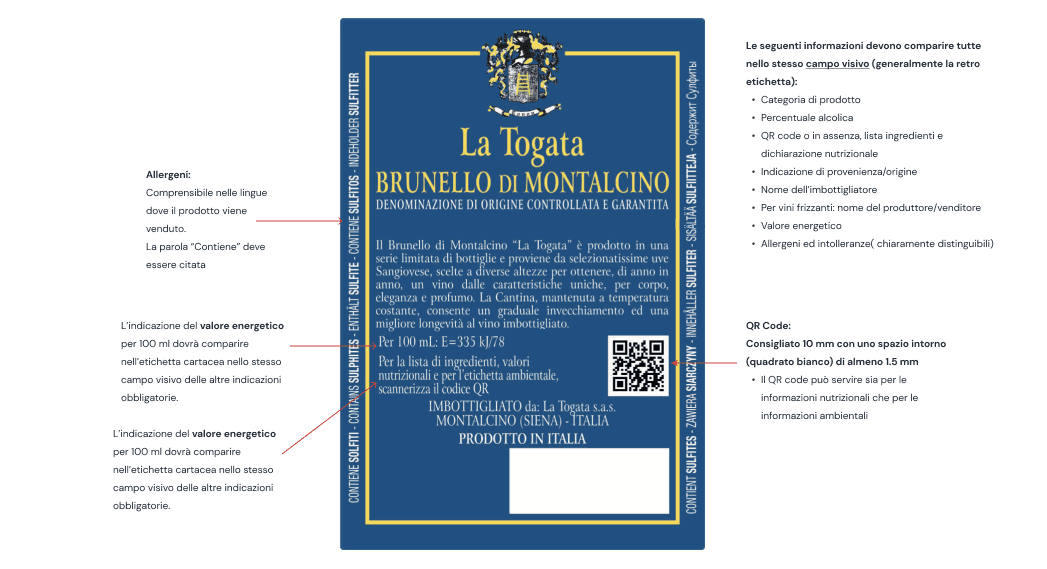
Starting December 8, 2023, the new EU wine labelling regulations require wineries to provide more detailed information on their product labels. These updates specifically concern nutritional values and ingredient lists. This shift reflects the increasing focus on transparency and the consumer's right to fully understand what they’re purchasing.
What Are the New Labeling Requirements for Wine?
Wines placed on the market after this date must include:
- A complete list of ingredients;
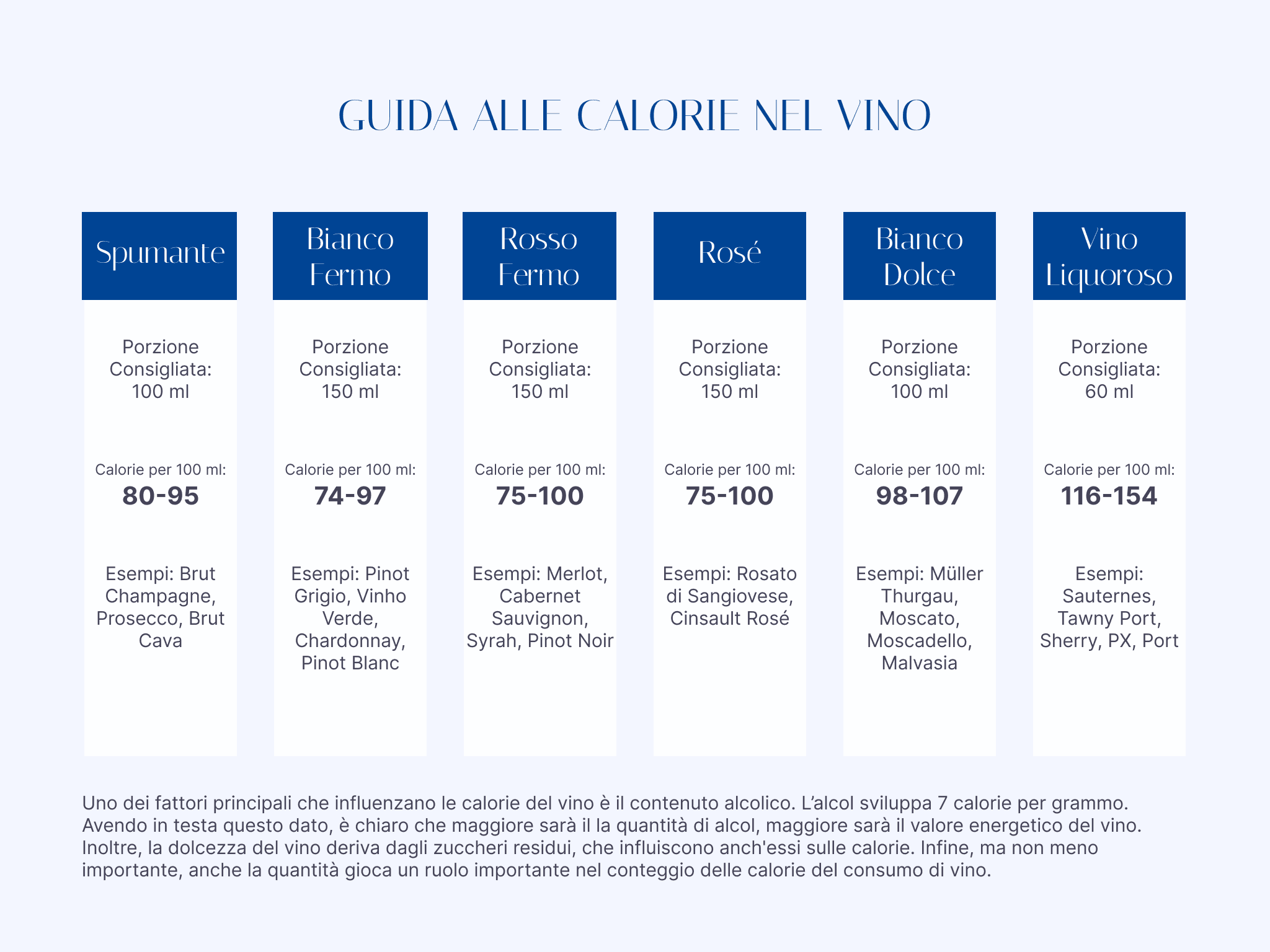
- Precise nutritional information for 100 ml, covering details such as energy content, fat, carbohydrates, sugars, protein, and salt. Learn how to calculate calories in wine using established formulas.
However, there's one particular question that is not yet clear for everyone: the tolerance allowed when indicating nutritional values on wine labels.
Nutritional Value Tolerance: What Does the Law Say?
The new regulations recognize that the actual nutritional composition of wine can fluctuate slightly due to natural production factors. As a result, the law allows a margin of error, known as tolerance, between the declared nutritional values and the actual content.
The information must be provided in accordance with the harmonized tolerances in the EU. For wines with less than 100 g/l of sugar, which includes almost all wines except noble sweet wines, a tolerance of 2 g/100 ml (equivalent to 20 g/l) is allowed. For noble sweet wines with more than 100 g/l of sugar, the EU allows deviations of up to 20% in the declaration of carbohydrates/sugars.
These tolerances offer producers some flexibility, considering that the nutritional composition of wine can vary depending on factors like grape variety, winemaking techniques, and storage conditions. This flexibility is especially relevant when using one QR code across multiple vintages.
The Importance of Regulatory Compliance
For wineries, complying with these regulations is not only a legal requirement but also an opportunity to build trust and transparency with consumers. Ensuring compliance can also help avoid potential fines and ensure that products meet the EU’s stringent food safety standards.
The updated labels cater to increasingly health-conscious and sustainability-driven consumers while also demonstrating the EU's commitment to fostering greater responsibility and transparency in the food and beverage sector.
How Producers Can Adapt to the Changes
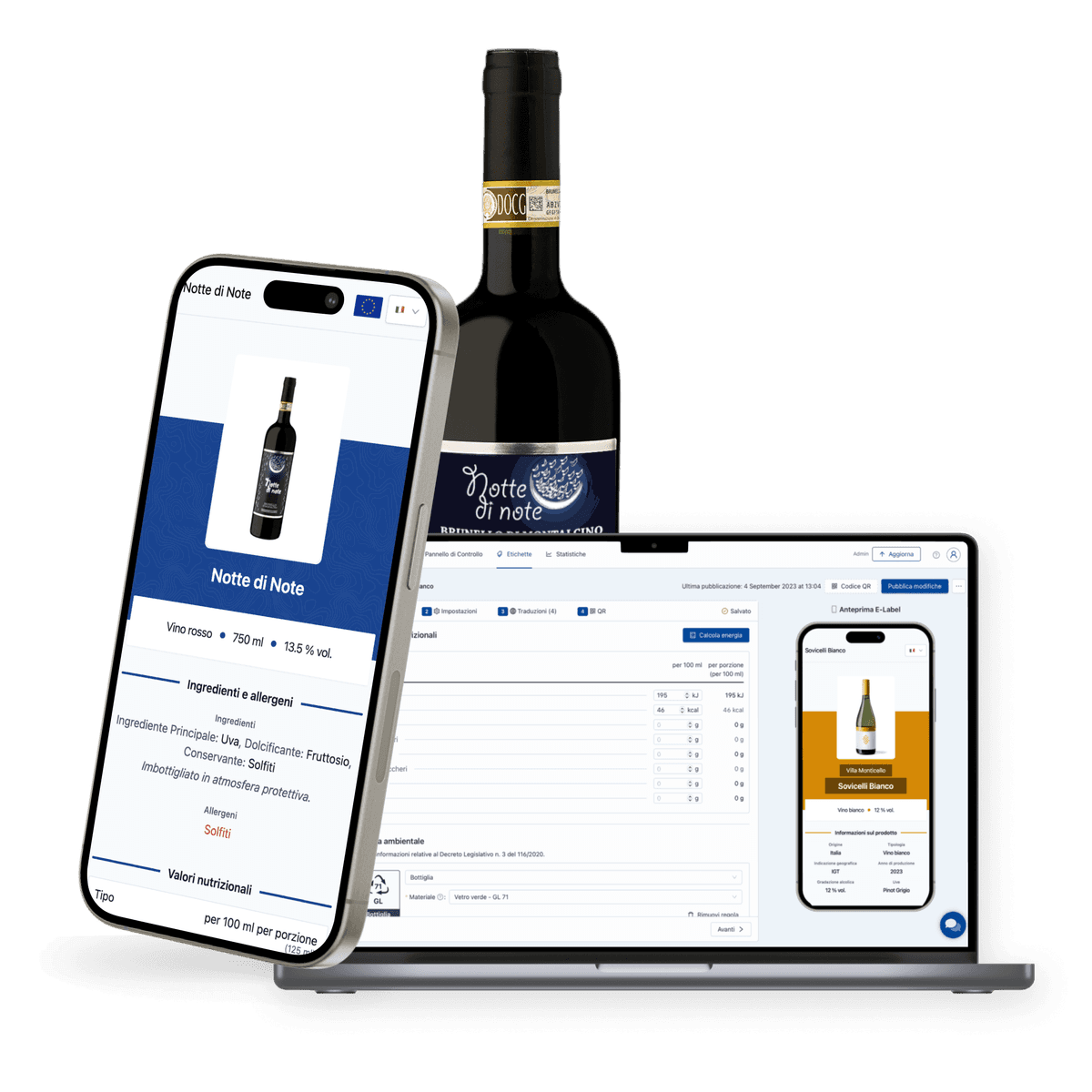
With the new regulations coming into effect soon, many wineries face the challenge of updating their labels in a short timeframe. It's very important for wineries selling in Europe, to prepare and ensure compliance with these requirements to avoid any disruptions. One effective solution is to adopt digital labeling, such as electronic labels that offer flexibility and ease. With QR codes, wineries can provide consumers with real-time, up-to-date information directly from their bottles.
A leading option in this space is QRFox.eu E-Labels, a solution developed by wine producers with the support of industry experts. QRFox.eu allows wineries to create and manage their labels efficiently, meeting all regulatory requirements while maintaining simplicity. To explore this solution, you can create two demo labels by following this link: https://app.qrfox.eu/signup.
Conclusion
The new wine labeling regulations mark a significant step toward greater transparency in the industry. With the tolerances allowed for nutritional values, wine producers can comply with the rules while minimizing operational challenges. It’s essential for wineries to act quickly and embrace these changes to ensure their products continue to meet consumer expectations for quality and safety.
For more information:
Phone: +393271111311
Email: info@qrfox.eu